
“Education for designers (like nearly all education), is based on the learning of skill and the acquisition of a philosophy” (Papanek, 1970, p. 275).
Introduction
The why
On January 21st 2019, in a dark auditorium I watched Paola Antonelli present the 22nd Triennale di Milano[1] and say: “When the world goes in such weird directions as it is going right now, there are two ways that we see to react: one is the way of entrenchment, separating oneself from the rest of the world . . ., and the other way to go is empathy, it’s the opposite, it's trying to connect and trying to help each other in any way possible.”. She meant each other as a community of Earth inhabitants. Not only humans but also animals, plants, and mountains, all the other objects that populate the planet. Something moved inside of me.
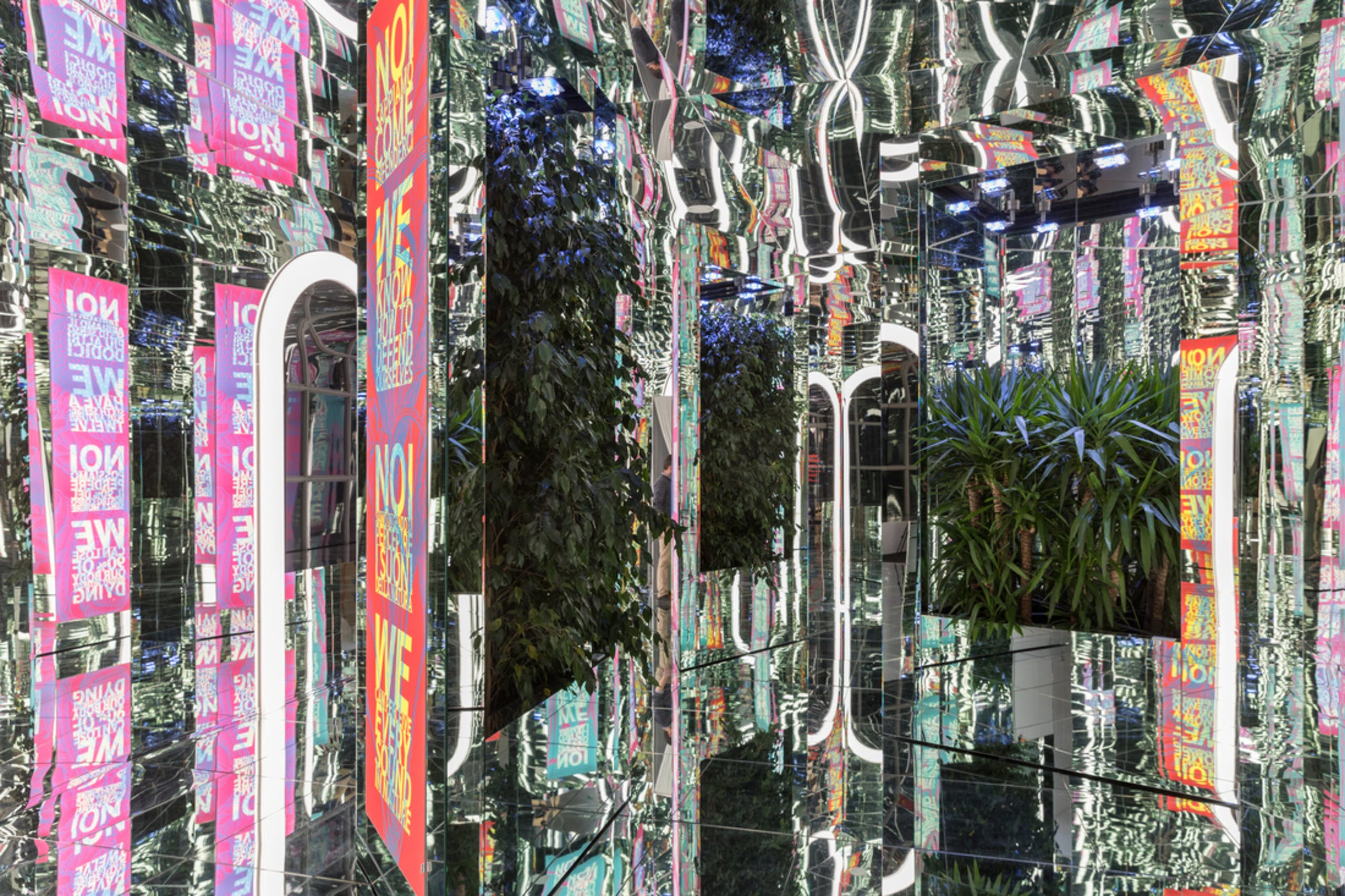
The soul of this thesis stemmed from this event, the Triennale Broken Nature of 2019, curated by Antonelli and her team, who offer critique and inspiration for a design that should be centered not only on humans, but on the future of the whole biosphere as well. The aim of the exhibition was to showcase projects that evidenced the decay of natural systems and suggested alternatives for “a graceful end” of humanity through restaurative product-systems or critical pieces. The contributions ranged from the fields of architecture, engineering, social sciences, and of course, design, especially exploring how the latter can engage with the many spheres of society on the pressing issues that are climate change, domination and extinction. Antonelli (2019) writes:
If in the past the imitation of nature was mostly centered on its forms, more recently designers have tried to apprehend its processes and long-term wisdom, its capacity for elegance under pressure. Truly restorative design is about acknowledging the Anthropocene’s aberrations. It is about interspecies collaboration, joint ventures and co-creation, entanglement and circularity. It is about empathy, and about the realization that we are part of nature, not nature’s masters. (p. 28)
Through its multimedia provocations, the Broken Nature was designed to be a call to action to creativity professionals[2] (and as we see, the very existence of this book is proof that it worked!) and all the rest of society that we must engage in real change now.
Equally moving was the work by the Colombian anthropologist Arturo Escobar and his book Designs for the Pluriverse (2019). The word pluriverse, coming from the Mexican Zapatista movement, is a vision of a world in which many worlds fit, meaning a society in which the profound respect for others and their ways of existing is primordial. This vision harmonizes with what Antonelli calls empathy (in her case, for humans and non-humans), but is highly contrasting with the hegemonic (and now globalized) culture of separation, domination, and individualism that has been established in contemporary human society.
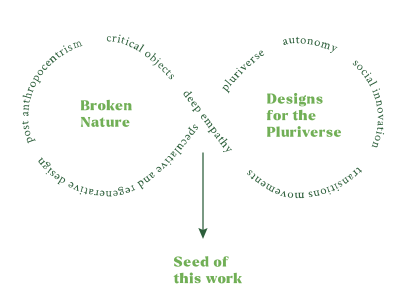
In fact, Escobar advocates for a design that is autonomous[3] and that is ontological[4] , meaning that it should be an active ally to the movements trying to subvert these ruling modalities into which we have been engaged By applying these concepts to design (autonomy and ontology), the author transcends the usual conception of what design can do to a deeper understanding of the consequences of material culture. Thus, seeing that “all design-led objects, tools, and even services bring about particular ways of being, knowing, and doing” (Escobar, 2019) is a starting point, especially for the notion of sustainable design, as it entails so much more than circular materials and dematerialization of objects to start any kind of regeneration. In harmony with the critical vision presented by Broken Nature, Escobar helped me understand that if one wants to work with sustainability, she/he/they must understand how it is connected with the establishment of economy and politics.